Polished concrete and epoxy coatings are the two most common floors in GTA warehouses and distribution centres. Both stop dusting, both handle forklifts, and both look far better than bare concrete. But they work in completely different ways, and choosing the wrong one costs money for years. Here is how facility managers can decide.
How each floor works
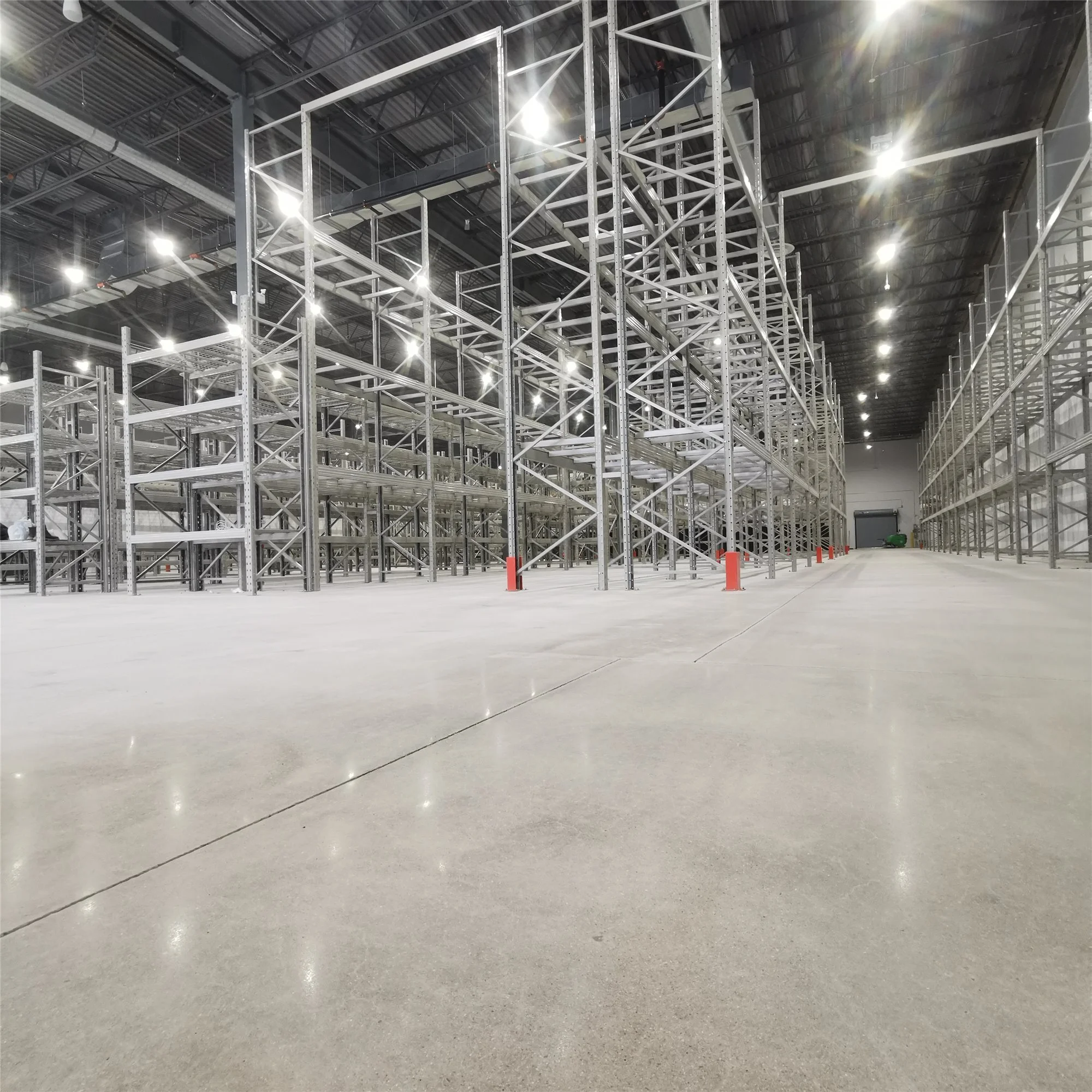
Polished concrete is not a coating. The existing slab is ground with progressively finer diamond tooling, treated with a chemical densifier that hardens the surface, and polished to the sheen you want. Nothing sits on top of the concrete, so there is nothing to peel.
Epoxy is a resin system bonded to the prepared slab. It forms a seamless, non-porous layer, from a thin roll-applied coat to a thick self-levelling or broadcast system, and is often finished with a polyurethane topcoat for extra wear and chemical resistance.
Side-by-side comparison
Forklift traffic: Both perform well. Polished concrete cannot peel. A properly installed epoxy system resists impact and abrasion, but its topcoat wears in the busiest lanes over time.
Chemicals and spills: Epoxy wins. It is non-porous, so oils, acids and cleaners sit on top. Polished concrete is densified but still porous and can stain.
Hygiene and washdown: Epoxy, or urethane cement, wins for food, pharma and any area that is hosed down.
Maintenance: Polished concrete is the lowest-maintenance floor: dust mop and auto-scrub. Epoxy needs a periodic recoat in busy lanes.
Downtime: Polished areas can usually reopen right away. Epoxy needs cure time, from about a day to several days depending on the system.
Slab condition: Polishing shows the existing slab, so heavy damage and patches stay visible. Epoxy hides repairs under a uniform colour.
When polished concrete is the better choice
Dry storage warehouses, distribution centres, retail back-of-house and big-box spaces where the main problems are dust, wear and maintenance cost. If the slab is in decent shape and spills are limited, polished concrete usually has the lowest cost over the life of the floor.
When epoxy is the better choice
Areas with chemicals, oils, food or washdowns; manufacturing and maintenance shops; battery charging rooms; and anywhere you need colour-coded zones or a seamless, hygienic surface. Epoxy is also the better option when the slab is too damaged or patched to polish well.
Many warehouses use both
The most cost-effective answer is often a mix: polished concrete in storage and racking aisles, epoxy in maintenance, charging and shipping areas, and line striping to mark lanes and walkways. Doing it all in one project with one crew keeps the schedule simple.
What it costs
Cost depends on slab condition, prep and the system specified. See our concrete polishing cost guide and commercial epoxy flooring cost guide for typical ranges in Toronto.
Get a recommendation for your floor
Hardbond installs both systems across Toronto and the GTA. We walk your facility, test the slab and recommend the right floor for each area, in writing. Book a free site assessment or read more about our warehouse flooring systems.
